
Hardwood Floor Installation Cost in Massachusetts (2026)
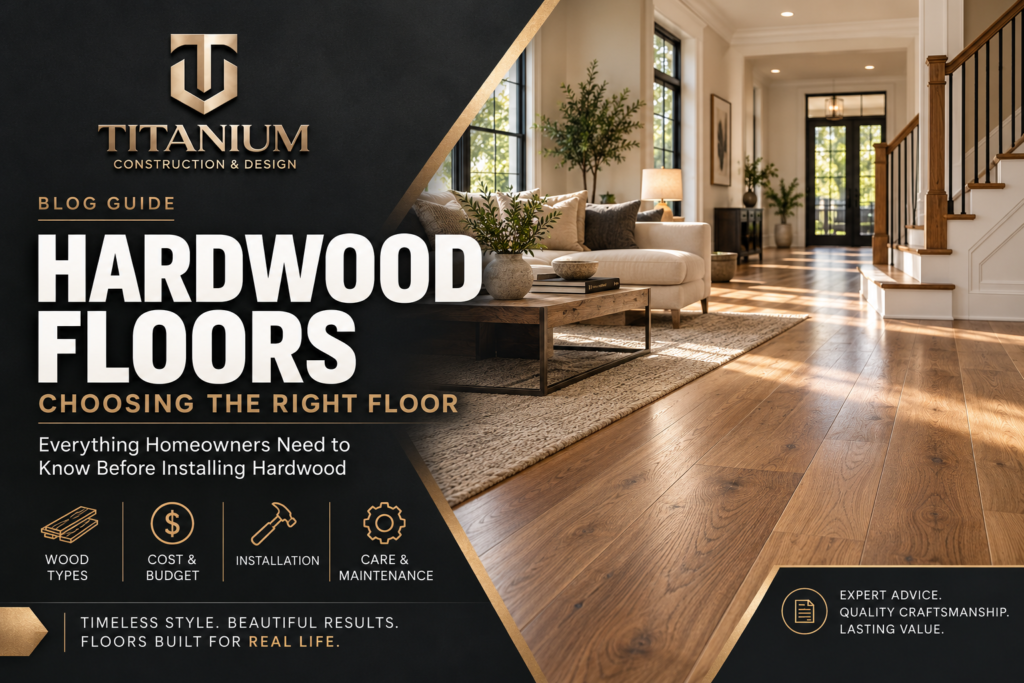
How Much Does Hardwood Floor Installation Cost in Massachusetts? (2026 Guide) The Quick Answer In Massachusetts, professionally installed hardwood floors typically cost $8 to $20 per square foot, including materials and labor. Engineered hardwood usually runs about $8–$16 per sq ft, and solid hardwood about $10–$20 per sq ft (source). For a typical 250 sq ft living room, that means roughly $2,000 to $5,000. Refinishing floors you already have is much cheaper, usually $3 to $5 per sq ft (source). Prices in Massachusetts run higher than the national average. Labor costs, older homes and our New England climate all play a part. Below, we break down every factor so you can plan your budget with confidence. Request a Quote Hardwood Floor Cost by Project Size in Massachusetts The table below shows estimated installed costs (materials + labor) for common project sizes. Boston and inner suburbs tend to land at the high end; Central and Western MA often come in lower. Project Size Engineered hardwood ($8–$16/sq ft) Solid hardwood ($10–$20/sq ft) Bedroom 150 sq ft $1,200 – $2,400 $1,500 – $3,000 Living room 250 sq ft $2,000 – $4,000 $2,500 – $5,000 Open first floor 600 sq ft $4,800 – $9,600 $6,000 – $12,000 Whole house 1,200 sq ft $9,600 – $19,200 $12,000 – $24,000 These ranges assume a sound subfloor and standard straight-lay installation. Removing old flooring, stairs, or subfloor repairs are extra (see below). Solid vs. engineered, in one sentence: solid hardwood can be sanded and refinished many times over its life, while engineered hardwood is more stable in humidity and can go over concrete and in basements. Cost by Wood Species The wood you choose is one of the biggest drivers of price. Here is how the most popular species compare for Massachusetts homes. Species Price level Why homeowners choose it Red oak $ The classic New England floor. Affordable, takes stain well, hides wear. White oak $$ Today’s most requested look. Tighter grain, great with natural and light finishes. Maple $$ Very hard and smooth, a clean modern look. Trickier to stain evenly. Hickory $$ One of the hardest domestic woods. Rustic grain, great for kids and pets. Walnut $$$ Rich dark color with no stain needed. Softer, so it shows dents more. Exotic (e.g., Brazilian cherry) $$$ Dramatic color and very hard, but highest cost. Wide planks (5 inches and up) also cost more per square foot than standard 2¼ or 3¼ inch strips, but they give a high-end, open look. What Affects the Price in Massachusetts Two homes with the same square footage can get very different quotes. These are the factors that matter most here. Older homes. Many Massachusetts homes are 50 to 150 years old. Uneven floors, old subfloors and multiple layers of flooring add prep time. Very old flooring materials may also need testing for asbestos before removal. Subfloor condition. Squeaks, soft spots or uneven areas must be fixed before new wood goes down. Subfloor repair or leveling can add about $2–$10 per sq ft (source). Removing old flooring. Tearing out carpet, tile or old wood and hauling it away typically adds $1–$4 per sq ft. Stairs. Stairs are priced per step, not per square foot, because each tread and riser is cut and fitted by hand. Climate and acclimation. Our dry winters and humid summers make wood expand and shrink. A good installer tests moisture and lets the wood acclimate in your home before installing, which prevents gaps and cupping later. Layout and pattern. Straight lay is the most affordable. Diagonal, herringbone or borders take more labor and more material. Location. Labor in the Boston area runs well above the national average, roughly 25–40% higher by one estimate (source). Hidden Costs and How to Save Ask any contractor whether these items are included in the quote: Furniture moving Baseboard and shoe molding removal and reinstall Transitions and thresholds between rooms Door trimming so doors close over the new floor Debris removal and disposal Ways to save without cutting corners: Choose red or white oak. They give you the classic hardwood look at the lowest price. Consider prefinished wood. It skips on-site sanding and finishing, so the job is faster. Do several rooms at once. Larger projects usually get a lower price per square foot. Refinish what you can. Keep good existing hardwood and install new wood only where it is needed. Plan ahead. Booking during slower months can give you more scheduling flexibility. Is Hardwood Worth It in Massachusetts? For most homeowners, yes. Hardwood is what many New England buyers expect, especially in colonials, capes and older homes. One Massachusetts guide estimates hardwood can raise a property’s value by about 3–5% (source). Solid hardwood can be sanded and refinished again and again, so a well-installed floor can last for generations. It is also easy to clean and doesn’t trap dust like carpet. How to Choose a Hardwood Contractor in Massachusetts The right contractor matters as much as the right wood. Before you sign, check these points: HIC registration. In Massachusetts, contractors doing more than $1,000 of work on an existing 1–4 family, owner-occupied home must be registered as a Home Improvement Contractor (Mass.gov). Written contract. Jobs of $1,000 or more require a written contract with specific terms required by state law (Mass.gov). Reasonable deposit. Massachusetts generally caps the upfront deposit at one-third of the contract price (source). Insurance. Ask for proof of liability insurance. Photos and reviews. Look at real past projects, not stock photos. Moisture testing. Ask how they check moisture and how long the wood will acclimate. Hiring a registered contractor also protects you: if something goes wrong, eligible homeowners may apply to the state’s Guaranty Fund for up to $25,000 of actual losses (Mass.gov). Why Choose Titanium Construction & Design? Licensed & Insured (CSL + HIC) 125+ 5-Star Google Reviews Full-Service General Contractor Clean job sites & professional crews Clear communication and timelines High-end finishes built to last We bring the Titanium standard